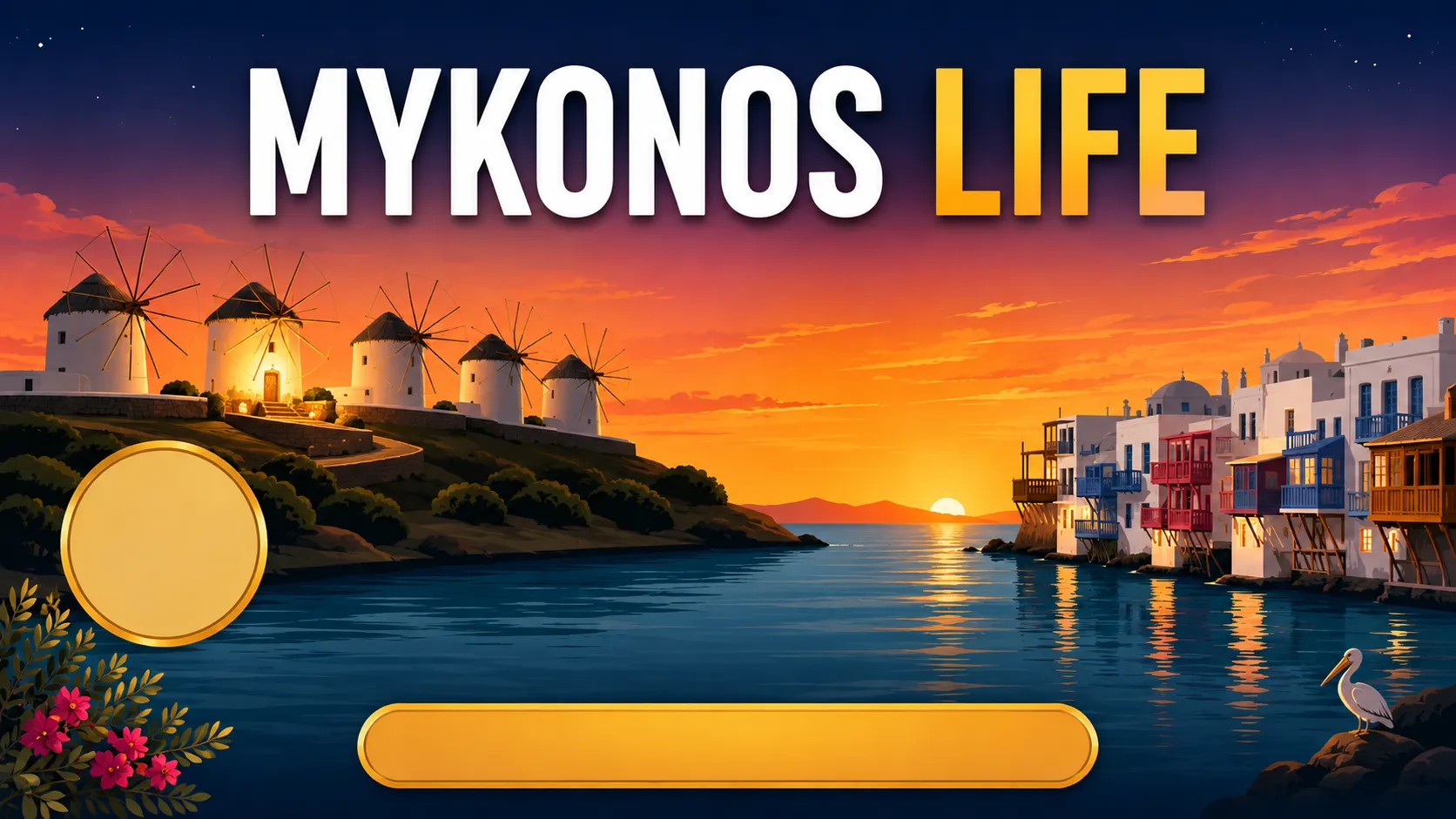
Mykonos Life: The Complete Guide to Culture, Nightlife, Cost & Living on the Island (2026)
1. What Is Mykonos Life? (Quick Overview)
Ask ten people what “Mykonos Life” means, and you’ll get two completely different answers. The other half will describe a fisherman mending nets at dawn in a nearly empty harbor, a grandmother walking to church past whitewashed courtyards, and a village where nothing much happens after 9 p.m. Both descriptions are accurate. They’re just describing the same 33-square-mile island at different points in its yearly cycle.
Mykonos is a small Cycladic island in the Aegean Sea, home to roughly 12,500 permanent residents, that transforms almost completely for about five months of the year.
2. Mykonos at a Glance (Key Facts)
- Location: Cyclades island group, Aegean Sea, Greece
- Size: ~33 sq mi (85 km²) — small enough to cross by scooter in under an hour
- Capital: Mykonos Town, locally called Chora
- Nickname: Island of Winds (Nisi ton Anemon), for the strong seasonal meltemi winds
- Nearest islands: Delos, Tinos, Naxos, Paros, Syros
- Distance from Athens (by ferry): roughly 100 nautical miles, 2.5–5 hours depending on vessel
- High season: mid-June through mid-September
- Shoulder season: May and late September through October
- Official language: Greek (English is spoken fluently across nearly all tourism-facing businesses)
- Currency: Euro (€)
- Time zone: Eastern European Time (EET), UTC+2 (UTC+3 in summer)
- Philoxenia — a foundational Greek cultural value meaning “friend to the stranger.” It’s the underlying reason hospitality feels genuine here even in the most tourist-saturated parts of the island; guests are culturally expected to be welcomed, not merely served.
- Panigiria — traditional village festivals, usually tied to a saint’s feast day, involving music, food, and dancing that draw locals from across the island. These happen even in the busiest tourist months and are one of the few places where you’ll see “real” Mykonian life on full display.
- . Mykonos was a modest maritime and farming community for most of its history, and only became internationally famous as a jet-set destination starting in the 1950s and 60s, when artists, writers, and early European high society discovered its beaches and architecture. The nightlife scene that dominates its modern reputation is, in the context of the island’s full history, a fairly new chapter.
4. Mykonos Town (Chora): Landmarks and Daily Rhythm
Chora is the beating heart of “Mykonos life,” and it runs on a schedule that surprises most first-time visitorsThe town slowly wakes up through the early afternoon, hits a lively stride at sunset, and reaches full energy after 10
Key landmarks in Chora:
- Little Venice — a row of 18th-century fishermen’s houses built directly on the water’s edge, their wooden balconies hanging almost over the waves; today lined with cocktail bars that are the single most popular sunset-watching spot on the island.
- Kato Mili Windmills — the cluster of restored 16th-century windmills on the hill above Little Venice; the island’s most photographed and most recognizable landmark, once used to grind the wheat that sustained the island.
- Paraportiani Church — an unusual whitewashed structure made up of four small chapels fused over centuries; considered one of the most striking pieces of Cycladic religious architecture in Greece.
- Matoyianni Street — the main pedestrian shopping and bar-hopping street running through the center of town, lined with boutiques, jewelry shops, and late-night bars.
- Aegean Maritime Museum — a small museum dedicated to the island’s seafaring history, with ship models, antique maps, and navigational instruments.
- Lena’s House — a preserved 19th-century Mykonian home, furnished exactly as a middle-class island household would have looked over a hundred years ago.
A practical local tip: the waterfront restaurants along the harbor and Little Venice charge a significant premium for their view. If you want a genuinely good, affordably priced meal, walk two or three streets back from the water — that’s where you’ll find the gyro counters, souvlaki spots, and small family-run tavernas that locals actually eat at.
5. Mykonos Nightlife: How the Night Actually Flows
Mykonos nightlife isn’t one event — it’s a full-day, four-stage system that most first-timers don’t understand until they’ve lived through it once. Here’s how a typical high-season night actually unfolds, stage by stage
A few things that don’t show up in most nightlife write-ups but genuinely shape the experience:
- Reservations are not optional at the top venues in July and August. Walk-ins are routinely turned away from the marquee beach clubs and restaurants during peak weeks.
- Dress codes shift dramatically by time of day. Swimwear and cover-ups are completely normal at beach clubs during the day; the same outfit at a Chora bar after 10 p.m. will get you turned away or at least stared at. Smart-casual is the safe default after dark.
- Minimum spends, not cover charges, are the norm. Most beach clubs don’t charge an entry fee outright — instead, a sunbed or table comes with a required minimum spend on food and drink, which can range from modest to genuinely steep depending on the venue and the day.
- The scene is seasonal even within summer. August weekends are dramatically busier and pricier than a Tuesday in June — if you want the full spectacle, go on a weekend in peak August; if you want a calmer version of the same scene, a weekday in June or a weekend in late September works just as well.
6. Best Beach Clubs and Nightclubs in Mykonos
- Cavo Paradiso — the island’s marquee superclub, perched on cliffs above Paradise Beach, best known for headline sets from internationally touring DJs.
- Scorpios — a design-led beach club south of town with a strong sunset program, live music, and a more curated, less rowdy crowd than the classic party circuit.
- Nammos — the Psarou Beach club that doubles as a see-and-be-seen dinner destination; as much about people-watching as it is about partying.
- JackieO’ (Super Paradise) — one of the most globally recognized LGBTQ+-friendly beach clubs, running continuously from daytime into full evening energy.
- Tropicana — a longtime staple of the Paradise Beach party circuit, popular with a younger, budget-conscious crowd.
- Paradise Club — one of the original Paradise Beach party venues, still a fixture of the island’s classic nightlife scene.
- Principote Panormos — a beach club on the quieter northern coast, offering a more relaxed, less crowded alternative with the same beach-club format.
- Kuzina — known for its dining-into-nightlife format, blending a proper restaurant experience with a late-night bar scene.
7. Best Beaches in Mykonos (By Vibe)
- Paradise Beach — the island’s highest-energy party beach, packed with beach clubs and an all-day event atmosphere; roughly 6 km from Chora.
- Super Paradise — a more alternative, boutique-club scene with a long-standing LGBTQ+-friendly reputation; also about 6 km from Chora.
- Psarou — the upscale option, home to Nammos and a well-heeled lunch-and-lounge crowd; roughly 4 km from Chora.
- Platys Gialos — calm, shallow water and a family-friendly setup, about 4 km from town.
- Ornos — a sheltered, relaxed bay close to town (roughly 3 km), popular for an easy swim and sunset dinner without the party-beach noise.
- Panormos — a scenic, comparatively uncrowded beach on the northern coast, about 4.5 km from Chora, known for striking views over the bay.
- Elia — the island’s longest sandy beach, around 10 km from town, with more space, water sports options, and a laid-back beach-bar scene rather than a party one.
- Kalo Livadi — a wide, newer-developed bay roughly 10 km out, offering a quieter, more spacious alternative to Paradise Beach with a similar coastal feel.
8. Mykonos Villages Beyond Chora
- Ano Mera — the island’s second-largest settlement and its most traditional, home to the 16th-century Panagia Tourliani monastery, small tavernas, and a pace of life almost untouched by the coastal party scene.
- Chora (Mykonos Town) — technically the capital rather than a separate village, but distinct enough from the beach areas to be treated as its own world.
- Tourlos — a small coastal settlement just north of Chora, largely residential and hotel-lined, useful as a quieter base within walking distance of town.
- Agios Ioannis — a low-key coastal area on the southwestern side of the island, known for calm sunset views and a smaller-scale beach scene.
- Houlakia — a lesser-visited coastal spot offering a quieter, more local alternative to the island’s headline beaches.
9. Cost of Mykonos Life: Real Prices
This is the section almost every competing article skips, and it’s the one that matters most for actually planning a trip or a move.
- Sunbed and umbrella set (peak season beach club): €30–€150+, sometimes replaced by a required minimum spend instead of a flat rental fee
- Mid-range hotel, double room (July–August): €200–€400/night
- Luxury hotel or villa (July–August): €500–€2,000+/night
- Casual taverna meal: €15–€25 per person
- Mid-range restaurant dinner: €40–€70 per person
- High-end restaurant or beach club dinner: €80–€150+ per person
- Coffee at a café in Chora: €4–€6
- Bottle of water/soft drink at a beach venue: €4–€8
- Athens (Piraeus) to Mykonos ferry, one-way: €40–€80 depending on speed and season
- Domestic flight, Athens to Mykonos: typically €60–€180 depending on how far in advance you book
- Delos entry fee: roughly €20
- Delos return ferry: roughly €25
- Scooter/ATV rental per day: roughly €25–€50
- Car rental per day (peak season): roughly €60–€120
- Taxi across town (short ride): €10–€20, often with fixed minimums in peak season
The single most important cost-saving fact about Mykonos: the same beaches, restaurants, and (mostly) the same beach clubs operate in May and October at a fraction of August prices, with a fraction of the crowds. If budget is a real constraint, shoulder season isn’t a compromise — it’s arguably the better version of the trip.
10. Best Restaurants and Local Food Spots
- M-Eating — modern Greek fine dining in Mykonos Town, widely regarded as one of the island’s best overall restaurants; reservations essential in season.
- Kalita — Greek fine dining with an eclectic menu and a well-regarded cocktail bar, set on a terrace among palm trees.
- Kastro’s — a Little Venice institution known for sunset views facing the windmills and decades of cocktail-making history.
- Nikos Taverna — a traditional taverna operating since 1976, known for fresh fish and seafood sourced locally.
- Casa di Giorgio — Mediterranean fine dining near the Catholic cathedral, named after its founding captain.
- D’Angelo — an Italian restaurant positioned near the Windmills, popular for combining sunset views with a full dinner menu.
- La Maison de Katrin — a long-running French-Greek fusion restaurant with dishes that have stayed on the menu for decades.
- Nikolas Taverna — seafood-focused taverna on the more secluded Agia Anna Beach, a favorite stop along the Platys Gialos-to-Paradise coastal walk.
- Jimmy’s — a classic, no-frills gyro and souvlaki spot, considered by many locals to serve the best fast Greek food on the island.
- Gioras Wood Bakery — a historic bakery with an oven dating back roughly 500 years, run by the same family for generations.
- Krama — known for tasting menus and a more modern, experimental fine-dining format.
- Eva’s Garden — a local-ingredient-focused restaurant favored for its more understated, less touristy menu.
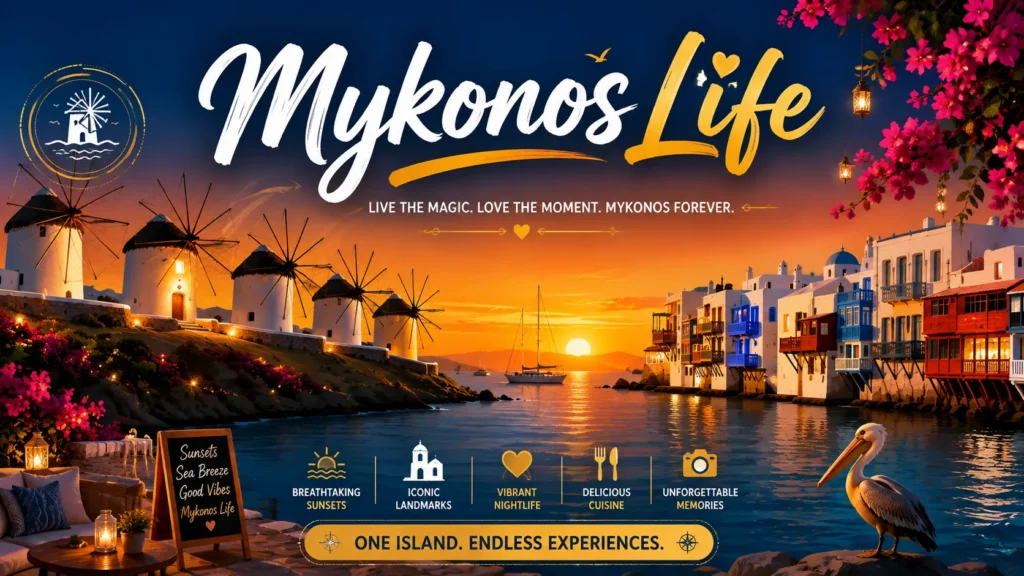
11. Living in Mykonos Full-Time: Expat & Digital Nomad Guide
This is the section where most “Mykonos life” content stays vague. Here’s what actually matters if you’re weighing more than a vacation.
Employment is heavily tied to tourism. The bulk of year-round and seasonal jobs sit in hospitality, hotels, restaurants, real estate, and increasingly yacht and villa services. There’s a smaller but genuinely growing remote-work and digital-nomad presence, drawn by the reliable Athens flight and ferry connections and the appeal of the quieter off-season months for focused work.
Visa and residency rules depend heavily on citizenship. EU/EEA citizens can live and work in Mykonos, and Greece generally, without additional permits. Non-EU nationals — including US, UK, Canadian, and Australian citizens — are limited to 90 days within a 180-day period under standard Schengen tourist rules, which is nowhere near enough for a genuine relocation. Anyone serious about living there long-term should look specifically into Greece’s Digital Nomad Visa (for remote workers employed outside Greece), standard long-stay/residence visa routes, or the Golden Visa investment-residency program, and should confirm current requirements directly with Greek immigration authorities before making plans.
Explore More:https://meaningoras.com/forrest-or-forest/
12. Best Time to Experience Mykonos Life (Month by Month)
- May — The island wakes up: beach clubs and restaurants reopen, the weather warms steadily, prices are low, and crowds are minimal. A strong choice for travelers who want the scenery without the peak-season intensity.
- June — Full swing begins. Warm sea temperatures, most venues operating at full capacity, but generally still below the pricing and crowd levels of July–August.
- July–August — Peak everything: peak heat, peak nightlife, peak crowds, and peak prices. Book accommodation, restaurants, and beach club tables well in advance if traveling in this window.
- September — Still warm, with the sea often at its warmest of the year, while crowds and prices begin easing noticeably by the back half of the month.
- October — A quieter, more scenic version of the island; many restaurants and hotels start winding down toward closure, but the ones still open offer a much calmer experience.
- November–April — The genuine off-season. Most tourism infrastructure closes, ferry schedules thin out, and the island reverts almost entirely to local, year-round life — the version most residents describe as the “real” Mykonos.
13. Getting to Mykonos and Getting Around
By air: Mykonos has its own small international airport, with seasonal Direct Flights connecting to several major European cities during the high season, plus reliable year-round connections through Athens International Airport.
By ferry: High-speed and conventional ferries run regularly from Piraeus (Athens’ main port), typically taking 2.5–5 hours depending on the vessel. Mykonos is also a common hub for island-hopping, with direct ferry connections to neighboring Cyclades islands including Paros, Naxos, and Santorini.
Getting around the island:
- Public buses — cover the main routes between Chora and the major beaches, the most budget-friendly option
- Taxis — limited in number, often requiring booking during peak season due to high demand
- Scooter and quad bike rental — the most popular way for visitors to reach beaches and villages independently
- Car rental — practical for families or groups, though parking in central Chora is limited and best avoided
- Water taxis/boat transfers — a scenic and increasingly popular way to reach specific beach clubs directly by sea during high season
14. Mykonos vs. Santorini: Lifestyle Comparison
Both islands sit in the Cyclades, share the same whitewashed-and-blue architectural style, and are frequently combined in the same trip — but they offer genuinely different versions of “island life.”
| Factor | Mykonos | Santorini |
| Main draw | Nightlife, beach clubs, social scene | Sunset views, romance, caldera views |
| Nightlife intensity | Very high, especially June–September | Low to moderate |
| Beaches | Sandy, extensive, beach-club culture | Volcanic sand/pebble, fewer swim spots |
| Best for | Groups, party travel, LGBTQ+ travelers | Couples, honeymoons, quieter getaways |
| Typical daily pace | Late nights, later mornings | Early sunset-chasing, generally calmer |
| Price level | High, especially peak season | High, especially peak season |
| Day trips | Delos (ancient ruins) | Volcano and hot springs boat tours |
If your priority is a lively social scene and beach-club culture, Mykonos is the clearer fit. If it’s quiet, view-driven romance, Santorini generally serves that better — though both islands share enough overlap (architecture, quality of food, high prices) that many travelers combine both on a single Cyclades itinerary.
People Also Ask
No. Nightlife is the loudest part of its reputation, but the island also has Quiet Villages, historic sites, family-friendly beaches, and a genuine local culture that continues well outside the club scene.
Yes — it’s consistently ranked among the priciest Greek islands, especially from June through August. Traveling in May, late September, or October gets you the same island at a fraction of the cost.
Q2 How many days do you need in Mykonos?
Three to four days is enough to see Chora, visit a couple of beaches, and take a Delos day trip comfortably. A full week lets you experience both the nightlife scene and the island’s quieter side.
Yes, if you choose the right base — Platys Gialos and Ornos are calm, family-friendly beaches well away from the loudest party areas.
Santorini leans toward romantic, sunset-focused tourism with a quieter evening pace; Mykonos leans much harder into nightlife, beach clubs, and a more social, later-running daily rhythm.
Yes — EU citizens can relocate freely. Non-EU nationals need a long-stay visa or residence permit, since the standard 90-day tourist allowance isn’t sufficient for a permanent move.
Conclusion
Mykonos life isn’t one thing, and it never has been. It’s a small, traditional Greek island community — Greek Orthodox, family-oriented, shaped by wind and sea — that happens to host one of the most famous Party Scenes in the world for a concentrated few months each summer, before returning to something far quieter and more local the rest of the year. Neither version is the “fake” one; they’re both genuinely Mykonos, just at different points in its yearly rhythm.
The travelers and residents who end up disappointed by Mykonos are almost always the ones who showed up expecting one version and got the other — booking a July weekend hoping for a quiet romantic escape, or visiting in November expecting the beach-club energy they saw in photos. The ones who love it are the ones who matched their visit to the season they actually wanted, understood the real costs going in, and knew which beaches, villages, and neighborhoods fit the pace of life they were looking for.
Whether you’re planning a four-day party trip, a family beach holiday, or seriously weighing a move, the single most useful thing you can do is be honest about which Mykonos you’re chasing — and then time your trip, your budget, and your base on the island around that answer. Get that right, and Mykonos delivers exactly the version of island life you came for.